
February 17, 2026
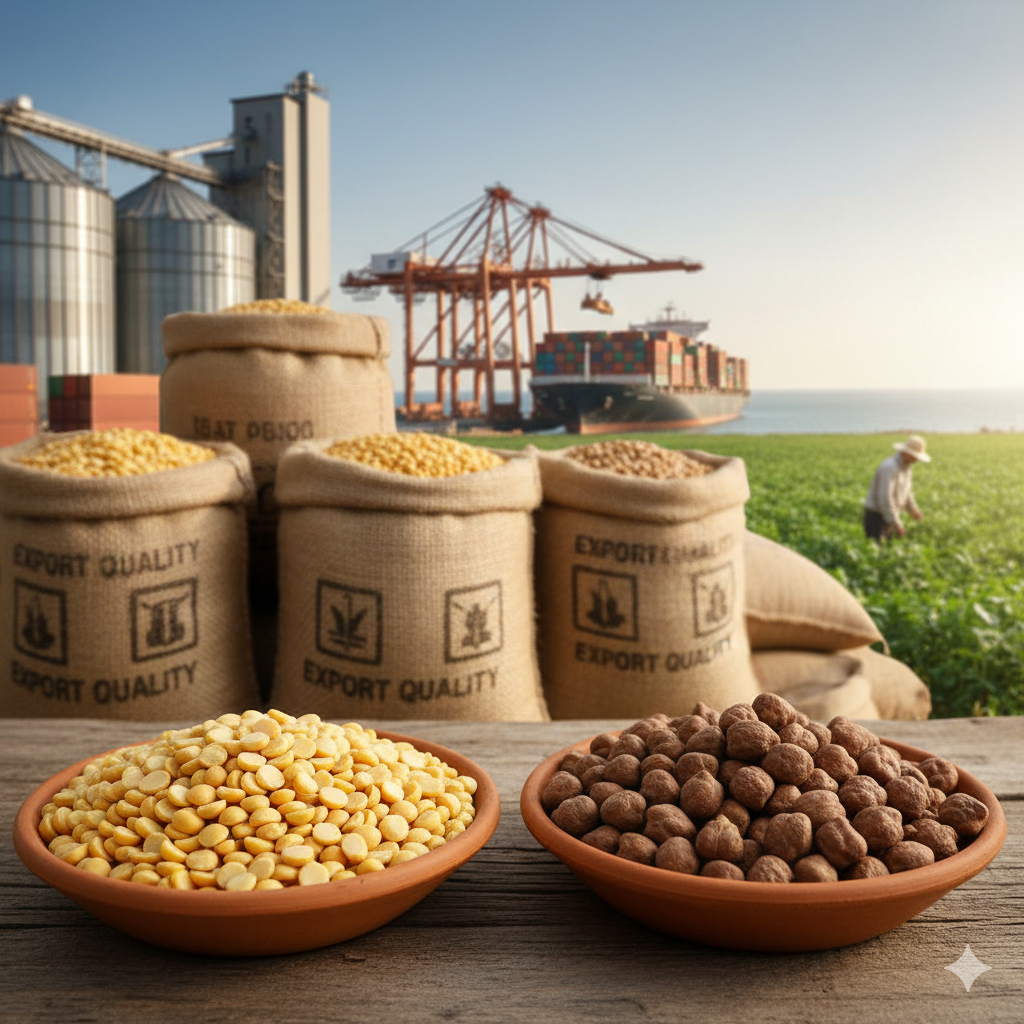
Increasing Demand for Yellow Peas and Its Influence on Desi Chana (chickpeas)
Pulses are a cornerstone of food security and nutrition in many parts of the world. Among them, Desi chana (chickpeas) holds a special place in South Asian diets, Middle Eastern cuisine, and increasingly in global plant-based food markets. However, in recent years, another pulse crop has been gaining attention worldwide: yellow peas. Originally a staple in certain regional markets, yellow peas are now being imported in larger quantities, used as a substitute in food processing, and influencing prices and planting decisions for other pulses, including chana.
This shift has significant implications for farmers, traders, processors, and importers across global agricultural markets. In this article, we explore the reasons behind rising demand for yellow peas, the key forces reshaping pulse markets, and the impact on Desi chana production and prices.
What Are Yellow Peas and Why Are They Becoming Important?
Yellow peas are a type of field pea widely grown in countries like Canada and Russia. They are often used:
• as whole peas in cooking
• split or milled into besan/pea flour
• in food processing and snacks
• as a low-cost protein source in various products
Yellow peas are high in protein and fiber, making them attractive to both traditional consumers and newer segments like health-oriented and plant-based food markets. Their versatility and relatively low price have driven increasing global demand, particularly as imports to countries with strong pulse consumption.
The Surge in Yellow Pea Imports
In parts of South Asia, especially India and Pakistan, yellow pea imports have grown sharply in recent seasons. Governments in these regions have, at times, allowed duty-free imports of yellow peas to increase pulse availability and stabilise retail prices. In India, duty-free access was extended until March 2026 for imports mainly from Russia and Canada, making yellow peas an affordable alternative to local pulses.
This surge has several direct effects:
• increased supply of cheaper pulses
• pressure on local prices of domestic pulses
• substitution in processing industries, especially in products like besan (gram flour)
• shifting demand patterns among traders and food processors
Yellow pea imports now make up a large portion of overall pulse imports in some markets, sometimes surpassing traditional imports of Desi chana and other lentils. This change is shaping both domestic and export markets for pulses.
Impact on Desi Chana Prices and Market Dynamics
Desi chana, also known as Bengal gram or chickpea, has historically been one of the most important pulses in South Asia. It is a staple in households, used in curries, soups, snacks, and, of course, as traditional dal. Prices of chana are influenced by local production, seasonal yield, weather conditions, and global trade.
When cheaper yellow peas enter the market, they act as a substitute, particularly in industries that use pulse flour or bulk peas for processing. This substitution has several consequences:
1. Downward Pressure on Chana Prices
Imported yellow peas are often significantly cheaper than domestically grown chana. In markets where they’re allowed duty-free or with low tariffs, yellow pea prices can be well below domestic chana prices. This leads traders and processors to prefer importing yellow peas for certain uses, reducing the demand for Desi chana and exerting downward pressure on its prices.
2. Influence on Desi Chana Acreage
Farmers make planting decisions based on profitability. If chana prices are depressed due to the presence of cheaper yellow peas, some farmers may shift acreage to other crops perceived as more lucrative. This dynamic can reduce chana production, particularly where pulses are a major rabi crop. Government officials in some countries have warned that continued yellow pea imports could lead to a fall in chana acreage.
3. Market Substitution in Food Processing
Yellow peas are not a perfect substitute in every application, but they are widely used in:
• besan production
• snack manufacture
• flour blending
• institutional food supplies
Processors often prioritize cost efficiency. When yellow peas are cheaper, they feature more prominently in production lines, leading mills and processors to divert away from chana. This can reduce the overall demand for chana in industrial channels, even if household consumption patterns remain unchanged.
Government Policies and Trade Measures
Governments play a central role in shaping pulse markets, especially in countries with large domestic consumption like India and Pakistan. Policies such as import duties, minimum support prices, buffer stock purchases, and crop incentives can all influence how yellow pea imports affect Desi chana.
Import Duties and Protection
In some markets, duty-free imports of yellow peas were initially introduced to dampen retail inflation and ensure pulse availability after poor domestic harvests. However, this often created an oversupply of cheaper pulses, leading to depressed prices for local farmers. In response, some governments have reintroduced import duties on yellow peas to protect domestic production and incentivize farmers to grow chana and other pulses.
For example, a combined 30 percent import duty plus cess on yellow peas was imposed ahead of planting seasons to balance market conditions and support local cultivation.
Buffer Stocks and MSP
In some pulse markets, government agencies procure chana at a minimum support price (MSP) to ensure farmers receive a fair return. When cheaper yellow pea imports push down pulse prices, MSP support becomes an important stabilizing tool. However, managing these mechanisms effectively is complex, given the interplay of multiple pulse varieties and import flows.
Consumer Protection and Labeling
Where yellow peas are used in milling and flour production, some markets are now paying attention to transparency. In processed products like besan, distinguishing between pure chana flour and yellow pea flour becomes important for both fair pricing and consumer awareness. Policies requiring clearer labeling help consumers understand what they’re buying and protect the integrity of traditional products.
Broader Market and Trade Implications
Beyond local markets, rising yellow pea demand affects global pulse trade patterns.
Price Signals
Wide availability of cheaper yellow peas acts as a market signal. In years of strong supply from Canada, Russia, and other exporters, yellow peas can compete with other pulses in international trade. When domestic production of pulses like chana is strong but prices remain high, importers often turn to yellow peas to manage costs. This can dampen price spikes that might otherwise occur in short supply seasons.
Export Competitiveness
Countries that are net exporters of pulses watch these dynamics closely. For instance, record imports of yellow peas in India and other large consuming countries can reduce export demand for chana from traditional suppliers like Australia, Canada, and some African producers. This reshapes global pulses flows and affects trading strategies for bulk buyers.
Consumer Preference and Product Development
From street food vendors to packaged goods companies, consumer preferences also influence how yellow peas and chana are used. Yellow peas are often embraced in applications where cost is critical. Meanwhile, traditional desi chana retains its value in cultural cuisines and products where specific flavor and texture are prized.
Implications for Farmers and Growers
At the farm level, price signals and cultivation decisions are major drivers of crop selection.
Supply Response
Chana farmers facing weak prices may be discouraged from expanding acreage. If yellow peas maintain a steady supply and cheaper cost base, growers might shift to other crops that offer stronger returns. This could include lentils, oilseeds, or other pulses with firm local demand and supportive pricing policies.
Risk Management
For growers, understanding market trends is essential. A diversified cropping strategy, informed by global pulse trade developments, helps manage risk. Crop insurance, contract farming agreements, and access to market information play key roles in securing returns.
Strategic Insights for Traders and Buyers
For global traders, processors, and importers, yellow pea demand has strategic implications:
Diversify Sourcing
No single pulse variety should dominate supply chains. Diversifying between yellow peas, chana, and other pulses helps mitigate price volatility and demand shocks.
Monitor Policy Changes
Policies like import duties, MSP adjustments, and trade agreements directly impact prices and supply availability. Staying updated helps buyers and sellers negotiate more favorable contracts.
Understand Substitution Costs
Not all pulses are interchangeable in food applications. While yellow peas can substitute in some uses, quality and functional differences matter. Buyers should balance cost savings with product quality requirements.
Conclusion
The rising demand for yellow peas is reshaping pulse markets in profound ways. What began as a cost-effective substitute has now become a major actor in supply equations, price trends, and production decisions for traditional pulses like Desi chana.
While yellow pea imports can help stabilize consumer prices and support food processing industries, they also introduce challenges for domestic pulse producers. Policy responses, market diversification strategies, and informed decision-making are essential to balance these effects.
For growers and traders in pulse markets, yellow peas are no longer just another crop. They are a dynamic factor influencing global supply chains, trade flows, and food industry economics. Staying informed and strategic will be key to thriving in this evolving landscape.
2 Comments
Rana
I am 100% agreed with the author. Sucha great information.
January 31, 2026Fiaz
I am 100% agreed by the author research. His research is always up to dated and accurate.
February 1, 2026